
Mold Removal Help for Santa Rosa Homes
If you notice visible mold, a smell that keeps coming back or damp materials that never fully dried after a leak, call to talk through what you are seeing and find out which service fits your situation.
- ✓Visible mold, persistent odor and hidden moisture concerns
- ✓Practical guidance for mold removal, remediation and inspection
- ✓Serving Santa Rosa and nearby Sonoma County communities
Call (707) 755-7235 for mold removal and moisture help in Santa Rosa and Sonoma County.
Practical mold guidance for Santa Rosa homeowners
Help for visible mold, recurring odors and moisture concerns, with clear service options for homes across Sonoma County.
Focused on leak-related and hidden moisture concerns
Many mold calls connect to a water event. Describing what happened and when helps point the conversation toward the right service.
Straightforward service routing, no pressure
The goal is to match what you are seeing with the service path that makes the most sense for the affected area.
Santa Rosa and approved Sonoma County communities
Service information is available for Santa Rosa and nearby approved communities. Call to confirm coverage for your address.
Urgent situations
When Mold or Moisture Concerns Should Not Wait
If active water is present or growth is spreading, calling early helps keep the response in the right order. Rushed cleanup before drying is complete often means the same area needs attention again.
Call NowStop active leaks if you can do so safely
Avoid disturbing visible growth before calling
Photograph affected areas before cleanup begins
Keep children and pets out of affected rooms
Write down when signs first appeared
Services
Mold Removal and Moisture Services in Santa Rosa
Each call is different. Some homeowners have visible growth to clean up. Others need to locate hidden moisture before they know what to do. Use the list below to find a starting point that fits what you are dealing with right now.
Mold Removal
Visible growth on walls, ceilings or trim often traces back to a leak or moisture source that was not fully resolved. Call to describe the room conditions and find out what removal involves.
Learn more→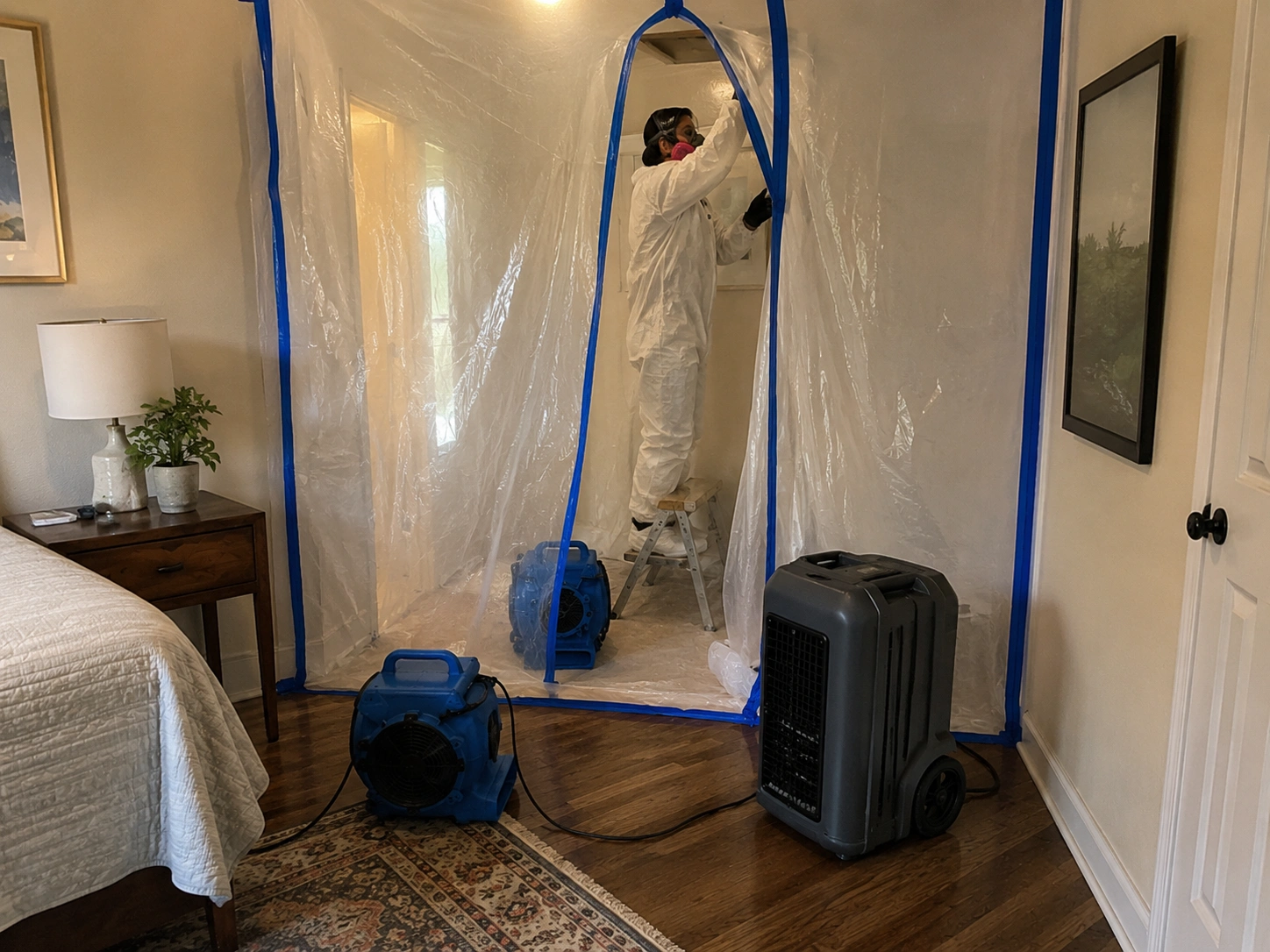
Mold Remediation
Remediation addresses more than surface cleanup. It covers containment, affected materials and the drying steps that reduce the chance of the same issue coming back.
Learn more→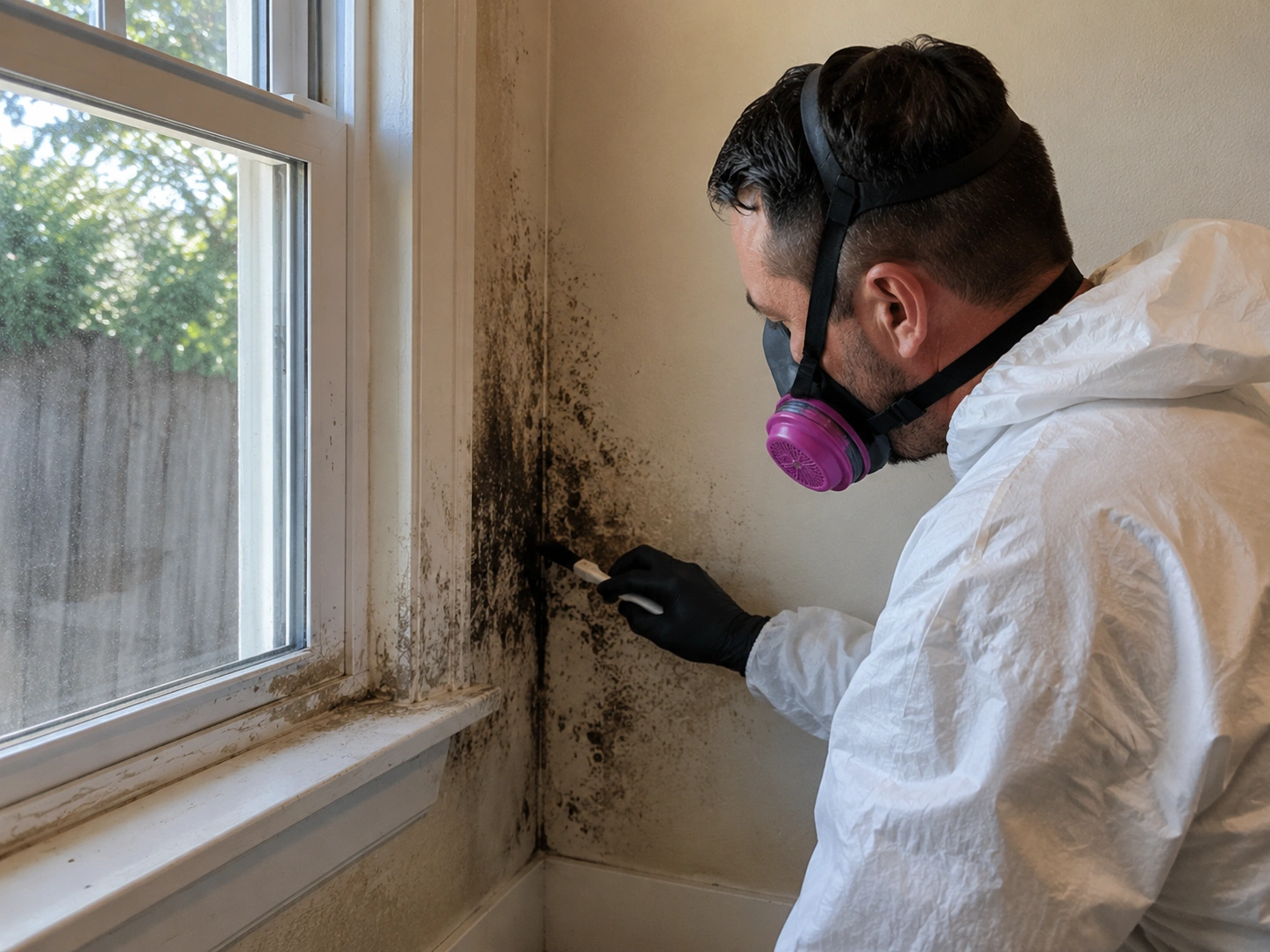
Mold Inspection
An inspection helps determine whether odor or surface staining is the full picture or whether moisture is still present inside walls, cabinet backs or below flooring.
Learn more→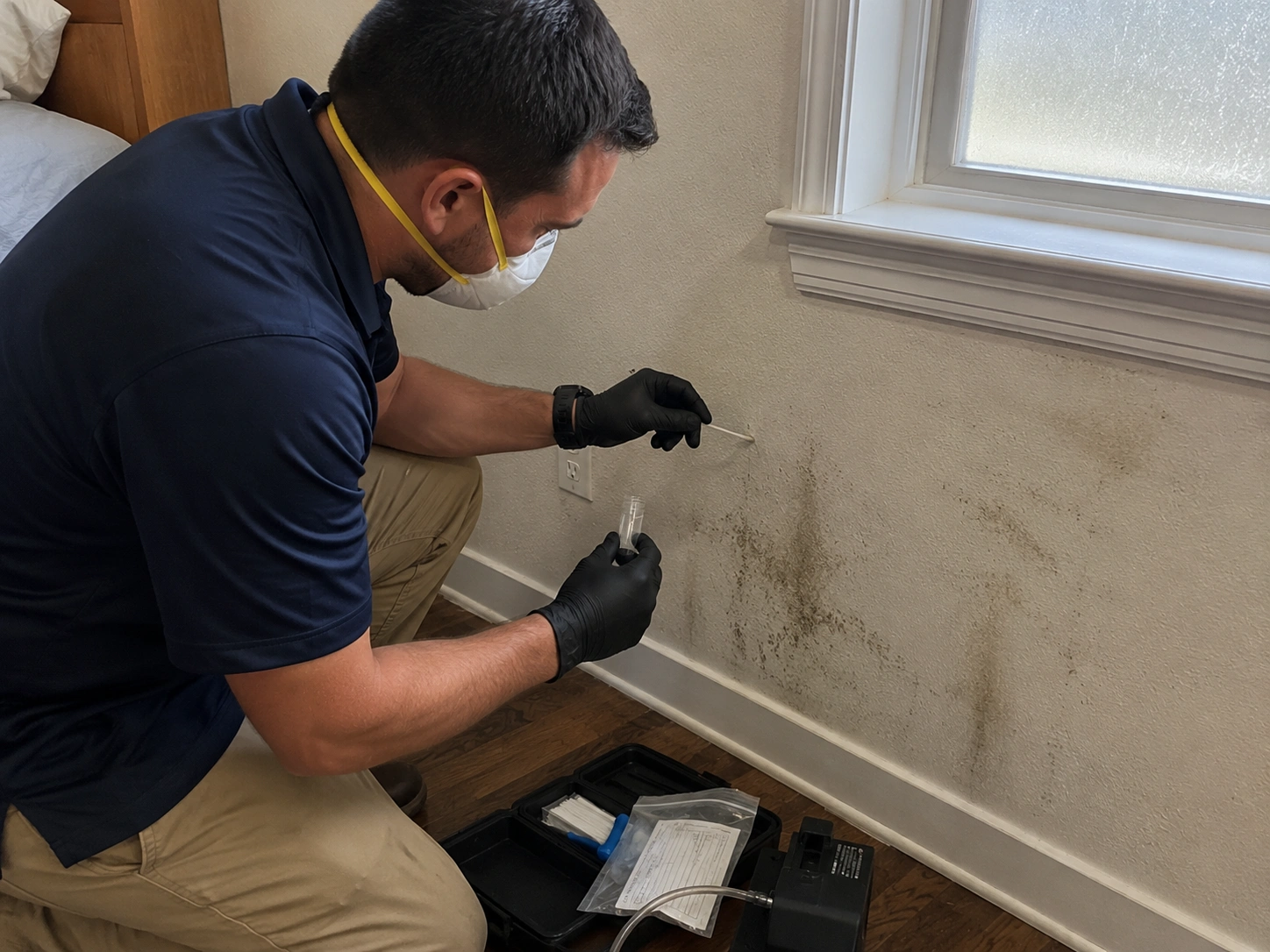
Mold Testing
Testing is most useful when scope is unclear, documentation will affect decisions or you want confirmation before or after cleanup work.
Learn more→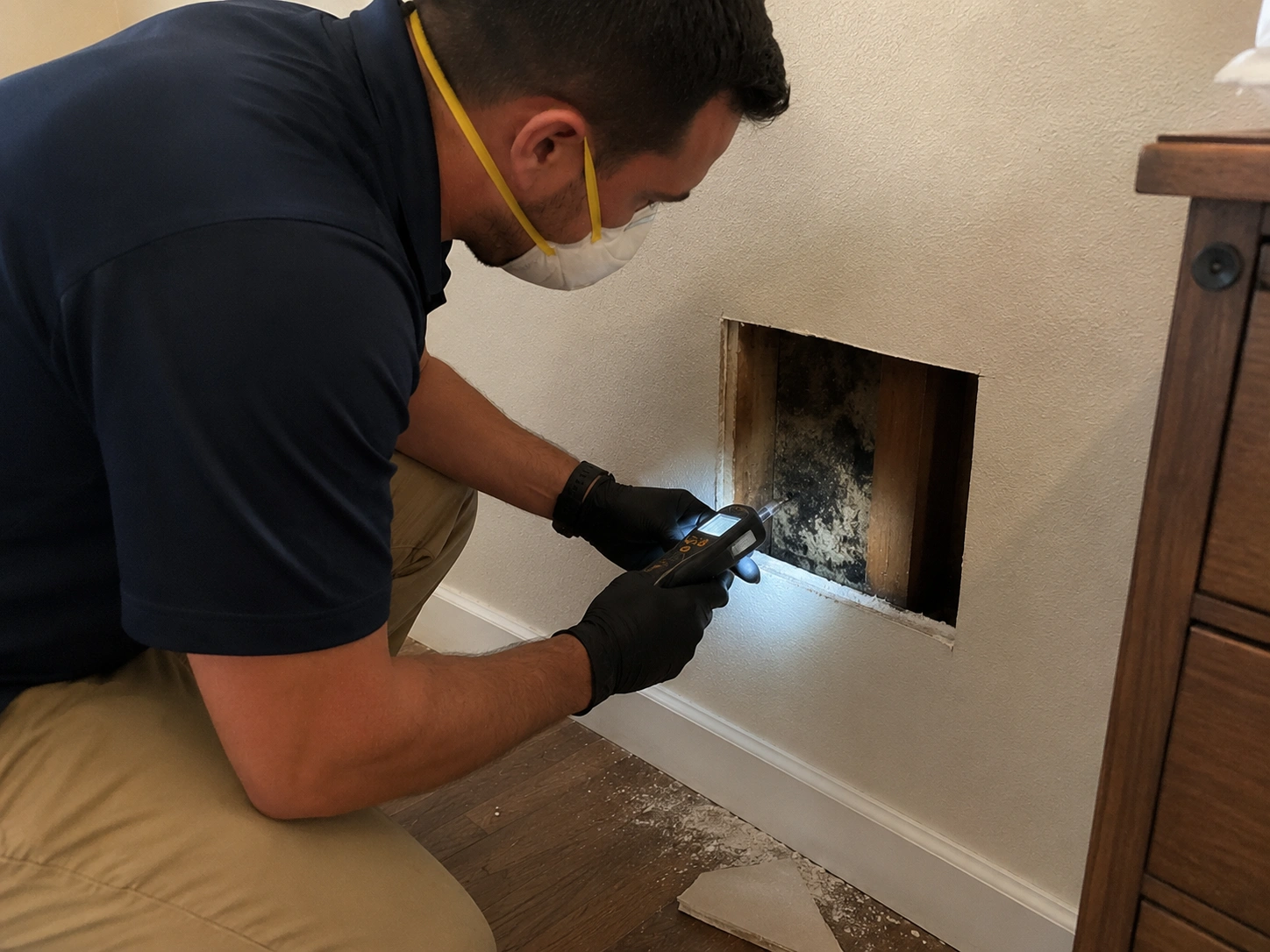
Black Mold Removal
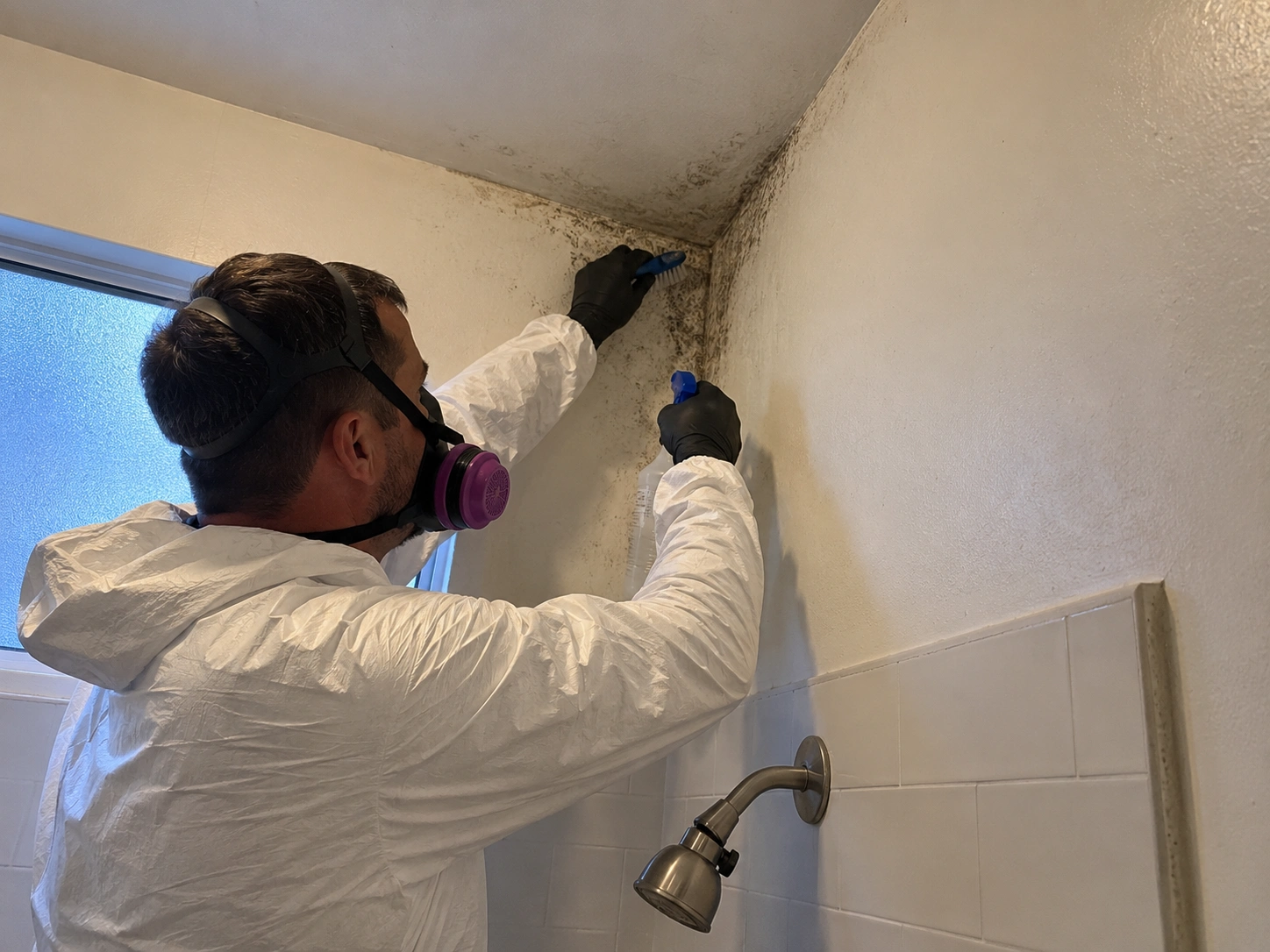
Dark growth in bathrooms, on drywall or near past leak points raises immediate questions. Call to describe what you see and talk through safe containment and cleanup steps.
Learn more→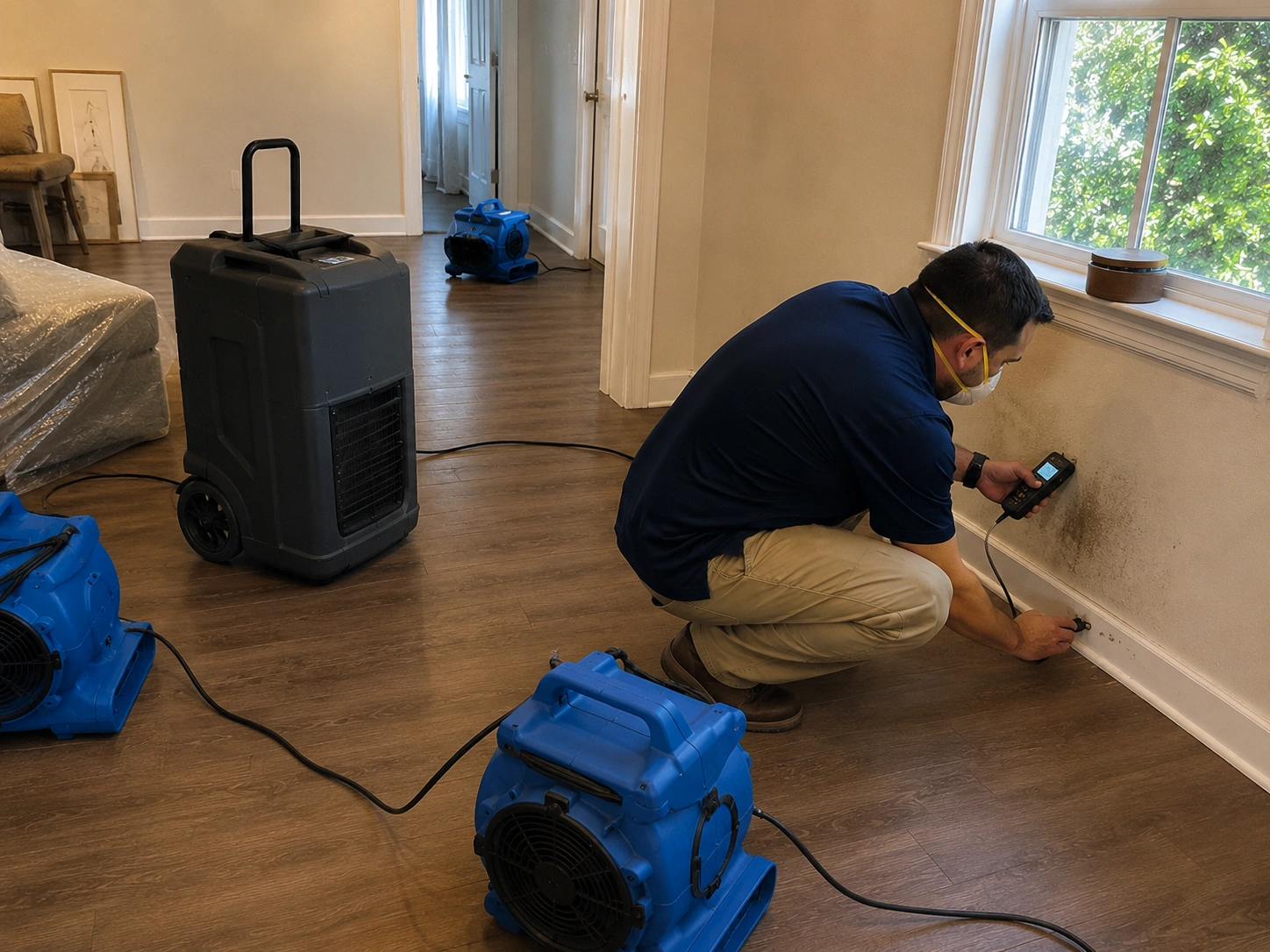
Emergency Mold Removal
Recent flooding, active moisture or sudden widespread odor are situations where calling early helps keep drying, containment and cleanup in the right order.
Learn more→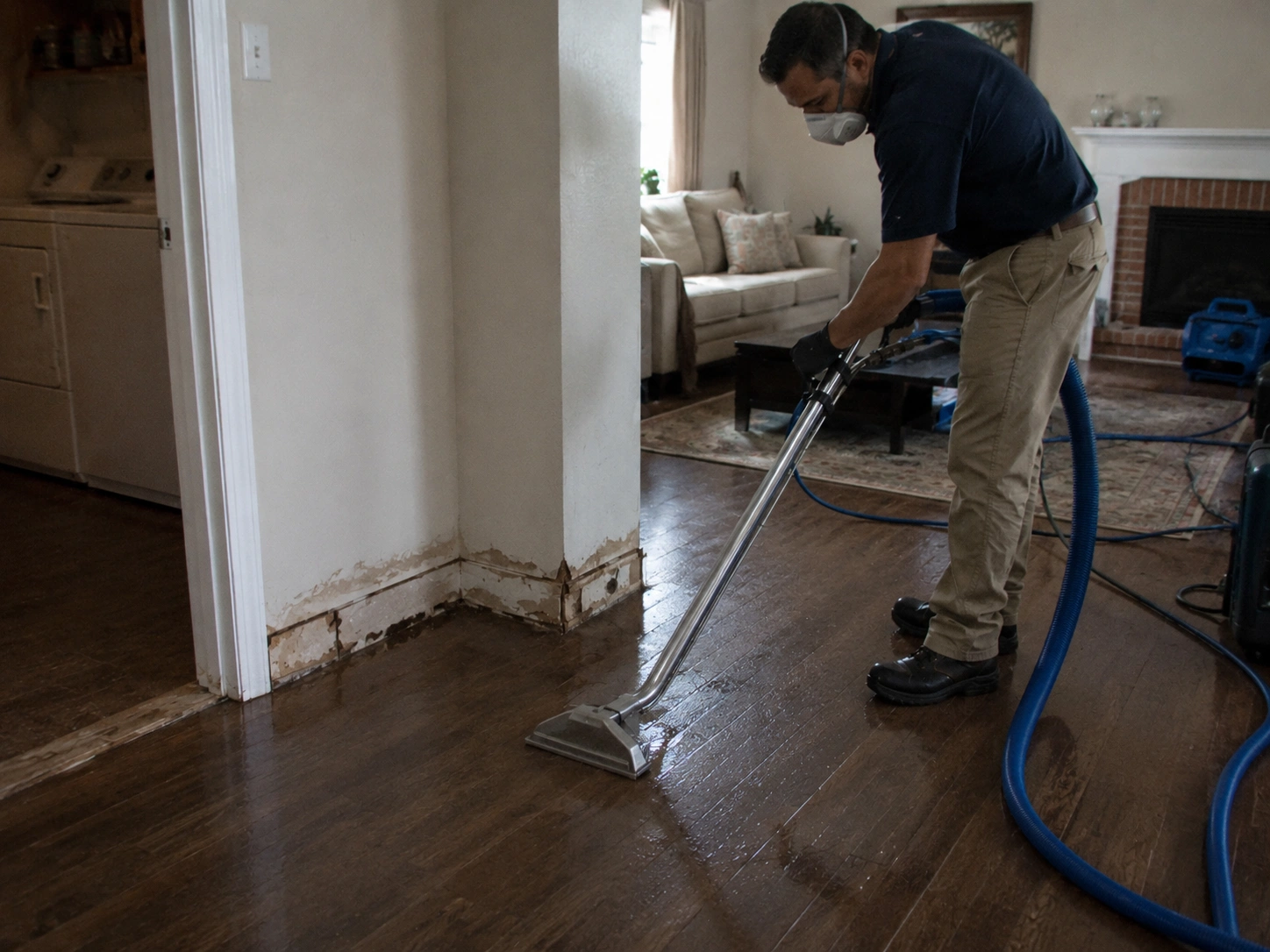
Water Damage Restoration
Water events often create moisture conditions that lead to mold if materials are not dried quickly. Call to discuss extraction, drying priorities and what that means for your home.
Learn more→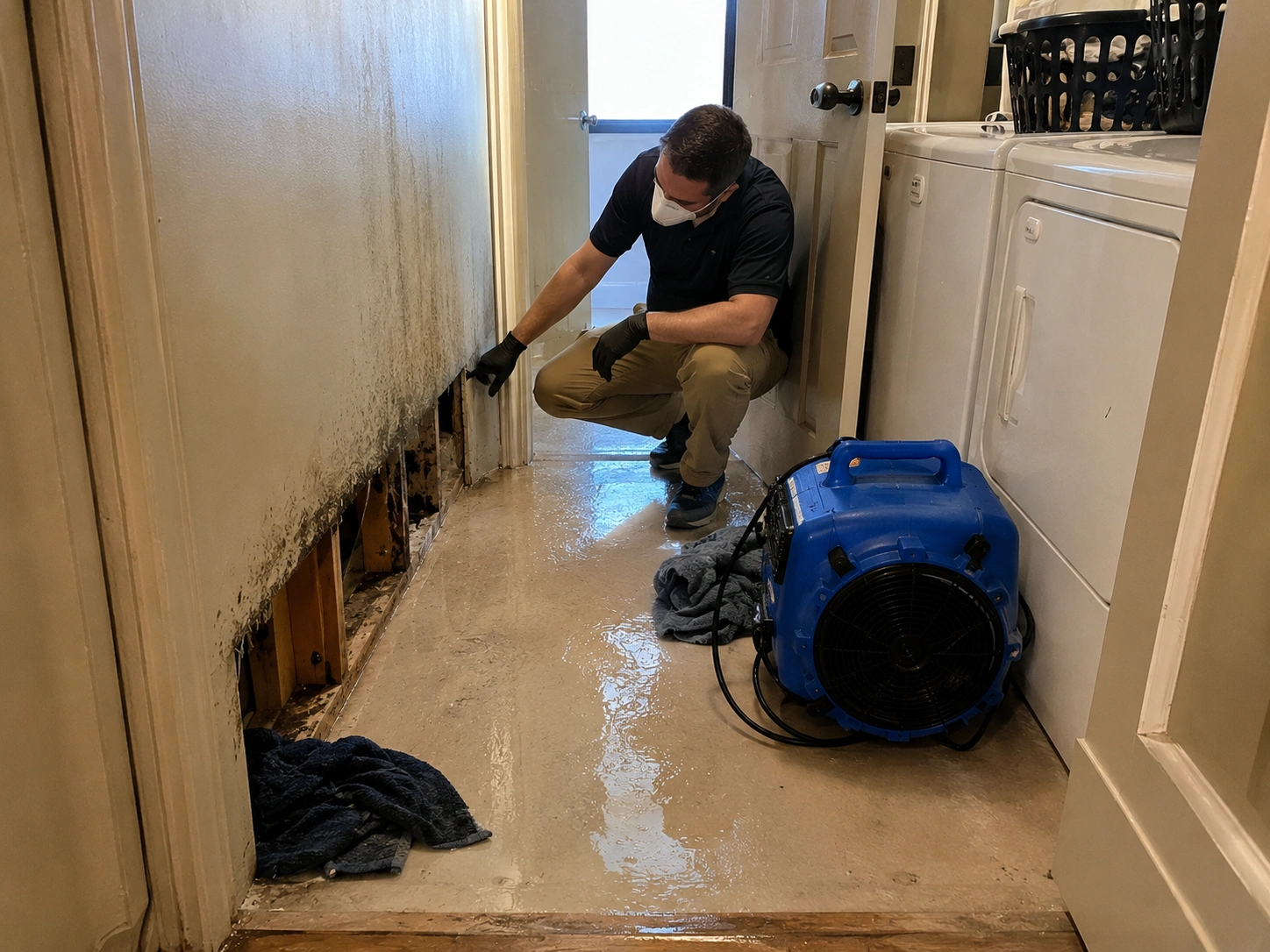
Structural Drying
Drywall, subfloor layers and insulation hold moisture long after a surface looks and feels dry. Measured drying helps confirm when materials are actually stable.
Learn more→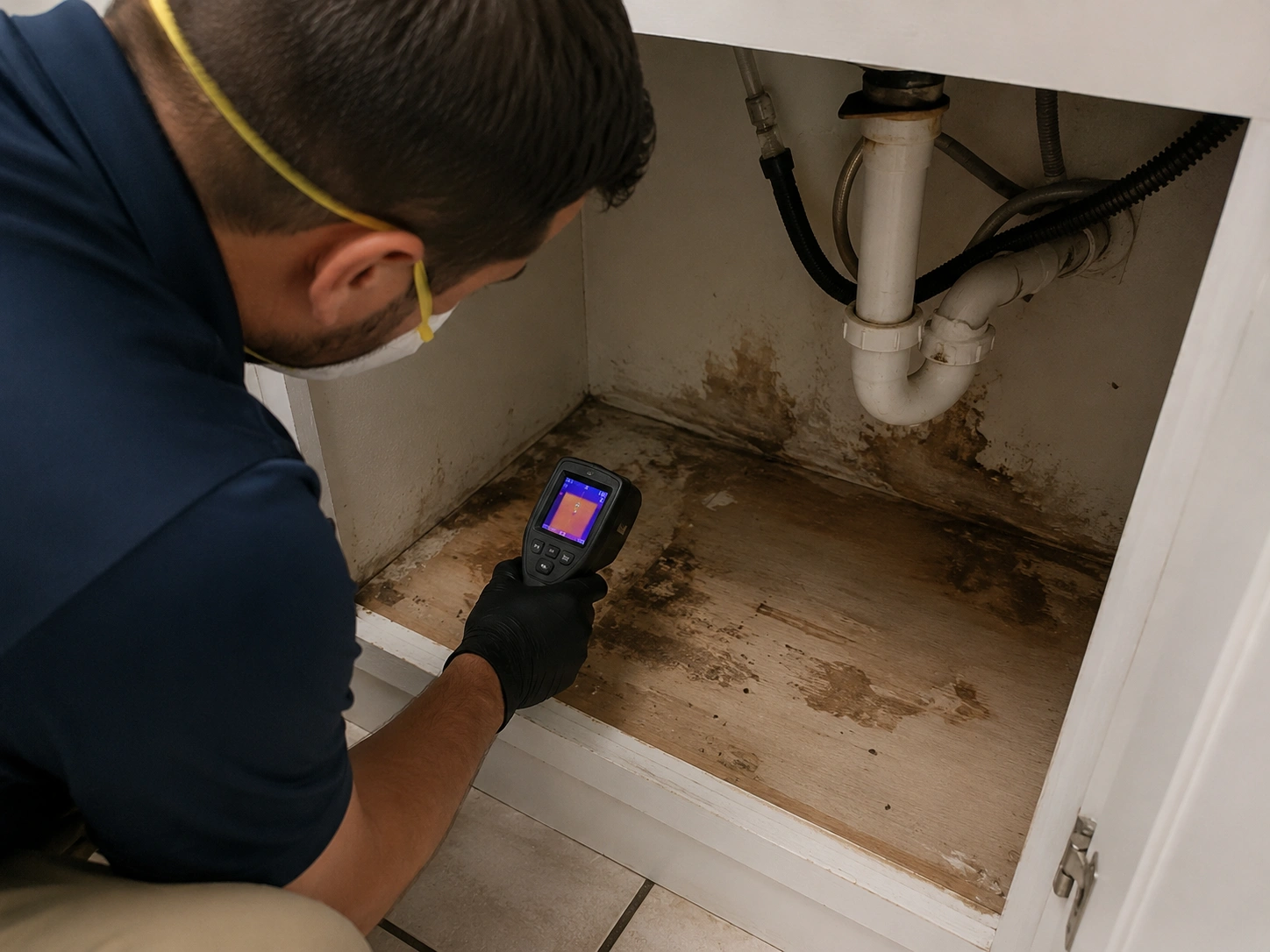
Moisture Detection
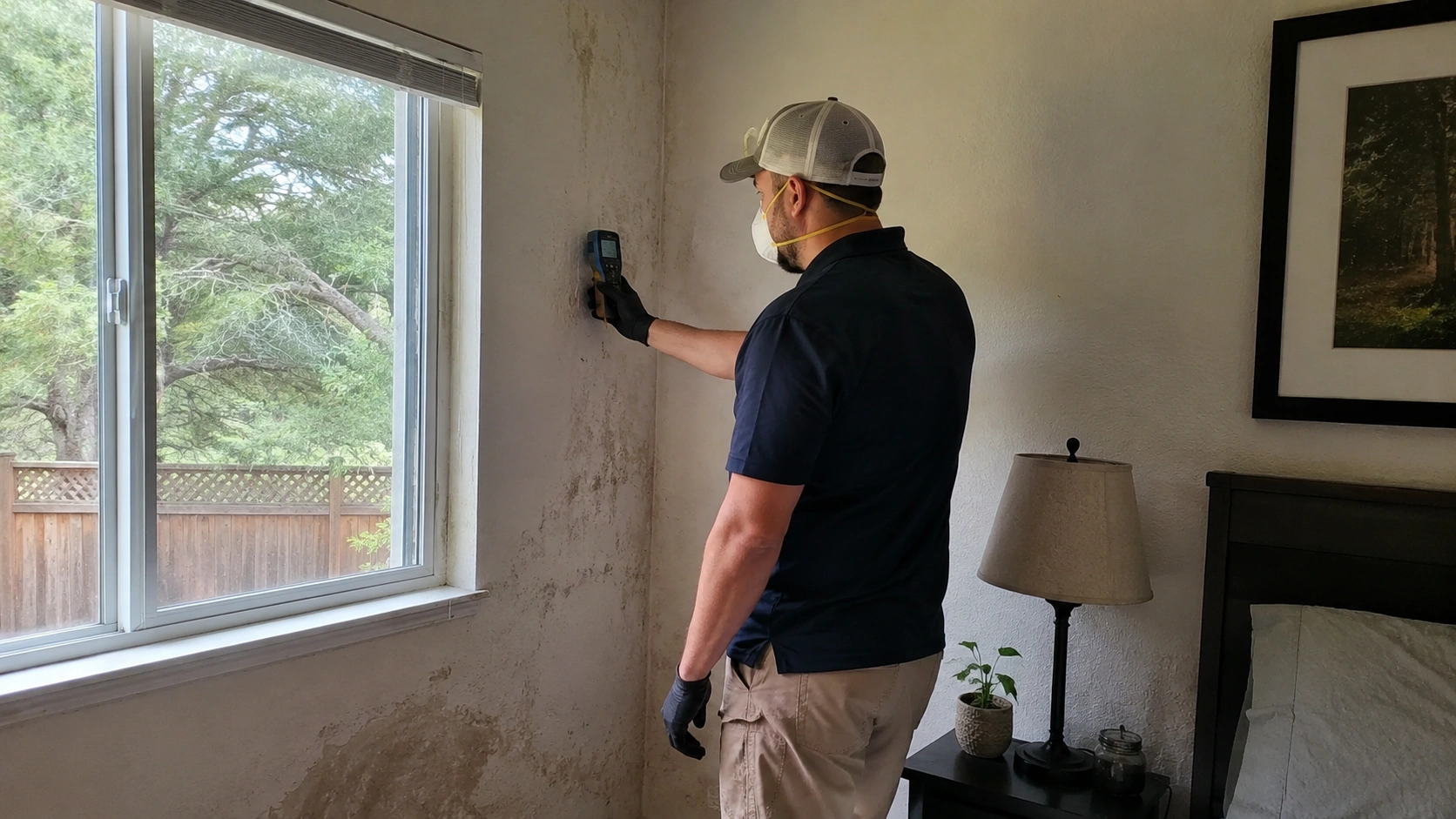
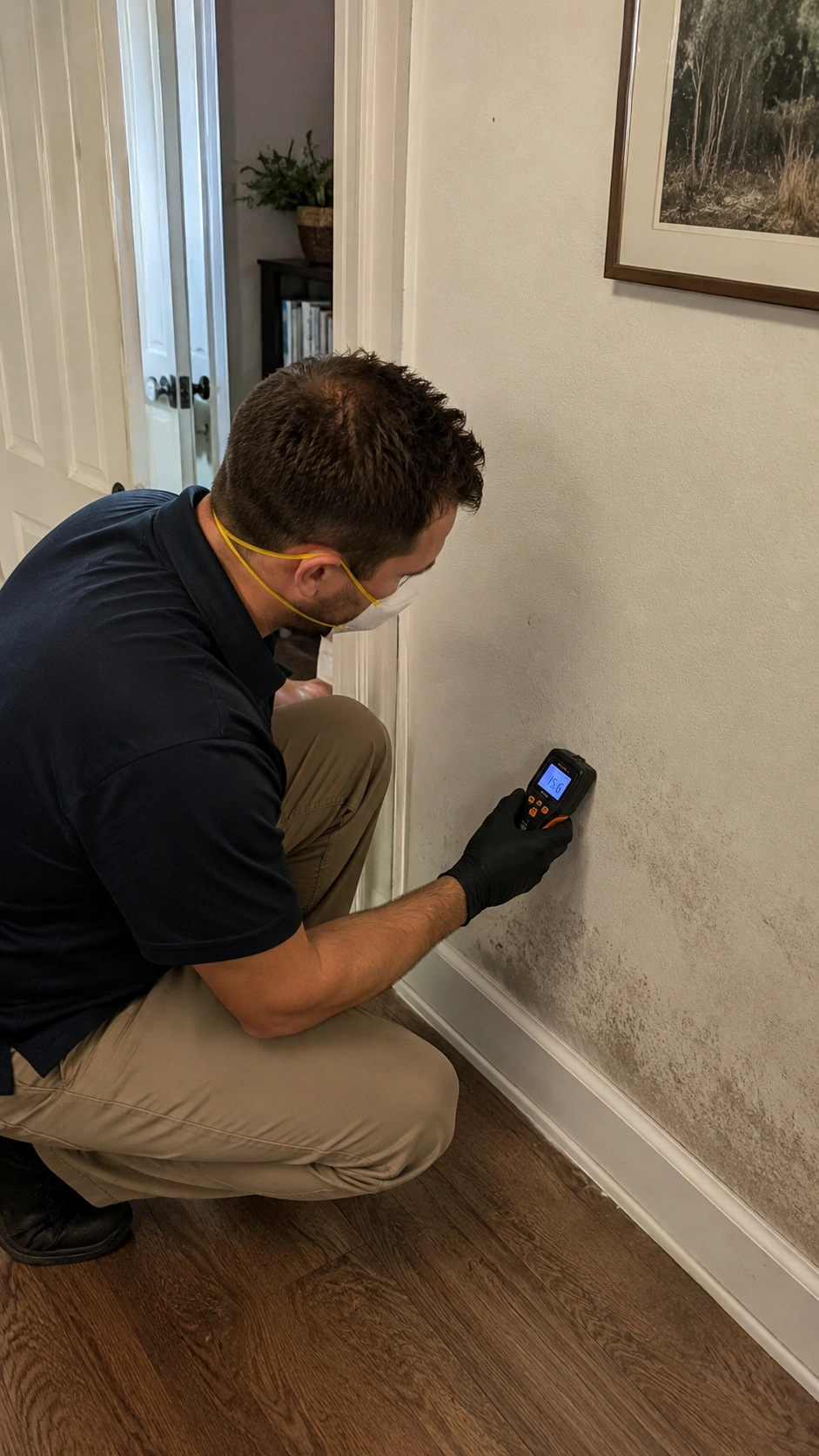
When odor or staining keeps returning after cleaning, moisture is likely still present behind walls or under flooring. Detection equipment can locate it before cleanup begins.
Learn more→Cost and scope
What Affects Mold Remediation Scope in Santa Rosa
Every mold situation is different. How long moisture was present, which materials were affected and whether hidden damp is still active all shape how a cleanup plan takes form. Describing what you see and when it started is the fastest way to understand what is actually involved.
How long materials stayed wet
Drywall, insulation and wood framing that stayed damp for days or weeks require more involved drying and cleanup than materials that were addressed quickly after a leak.
Which materials and surfaces are affected
Drywall, flooring, insulation, cabinet backs and trim each respond differently to moisture. Some can be dried in place while others need removal based on saturation and extent.
The moisture source and how it was resolved
A roof leak during a Sonoma County winter storm creates different conditions than a slow supply line drip behind a cabinet. Source type affects drying approach and timeline.
Whether hidden moisture or recurring odor is a factor
Odor that returns after surface cleaning or staining that comes back after repainting points to moisture still present inside walls or below flooring.
Talk Through the Scope for Your Santa Rosa Home
Call and describe the affected rooms, visible signs and any known leak history. That context helps identify a practical first step without overstating or understating the work involved.
Call NowInsurance and documentation
What to Document Before You Call Your Insurance Company
Mold and moisture claims can move in several directions depending on what caused the water intrusion, when signs were first noticed and what your specific homeowner's policy allows. Policies in Santa Rosa vary and the same event may be treated differently by different carriers.
Documenting the situation before cleanup starts gives you a clear record to present to your carrier. Photos, room notes and a written timeline of when signs appeared are all useful. Contact your insurance company directly and ask what your policy requires before any major work begins.
Call NowUseful documentation to gather
Collect these details before calling your insurer or requesting mold service in Santa Rosa.
- ✓Visible mold or staining, including location, color and approximate size
- ✓The suspected source of moisture or water intrusion
- ✓Date and timeline of when signs were first noticed
- ✓Which rooms, materials and surfaces appear affected
- ✓Soft drywall, paint bubbling or trim damage near past leak areas
- ✓Any drying, cleanup or repair work already completed
Important note
This service does not evaluate claims, determine coverage or speak on behalf of any insurance company. Always verify your policy terms directly with your provider.
How calls are handled
A Practical Sequence for Mold and Moisture Concerns
Most homeowners want to know what to expect before work starts. This sequence gives a realistic picture of how a mold or moisture situation is typically handled from first contact through completion.
Describe what you are seeing
Share which rooms are affected, when you first noticed signs and any odor or leak history you know about. More detail up front means less back-and-forth later.
Review moisture source and leak history
Understanding when a leak happened, whether the source was repaired and how materials were dried afterward helps shape the right response.
Identify affected materials
Soft drywall, warped trim, damp subfloor and stained surfaces each point to different drying or removal needs. Knowing the material helps plan the scope.
Contain and clean the affected area
Containment keeps growth from spreading during cleanup. Damaged materials are then removed or treated based on how wet they are and how long they were exposed. For larger cleanup projects where damaged drywall, trim, flooring or stored contents need to be cleared out, a dumpster rental can help keep disposal organized while the affected area is contained, cleaned and dried.
Dry and monitor until materials are stable
Drying equipment runs until moisture meter readings confirm materials have reached safe levels. This step matters more than it looks from the outside.
Confirm next steps and repair coordination
Once drying and any testing confirm the area is stable, repair work can be planned. This includes patching drywall, replacing trim or restoring finishes as needed.
What a mold call actually covers
How Scope Gets Defined Before Work Starts
A practical mold plan starts with what you can observe, then works back to likely moisture sources and reasonable service options. Nothing gets oversold and nothing gets skipped.
Call Now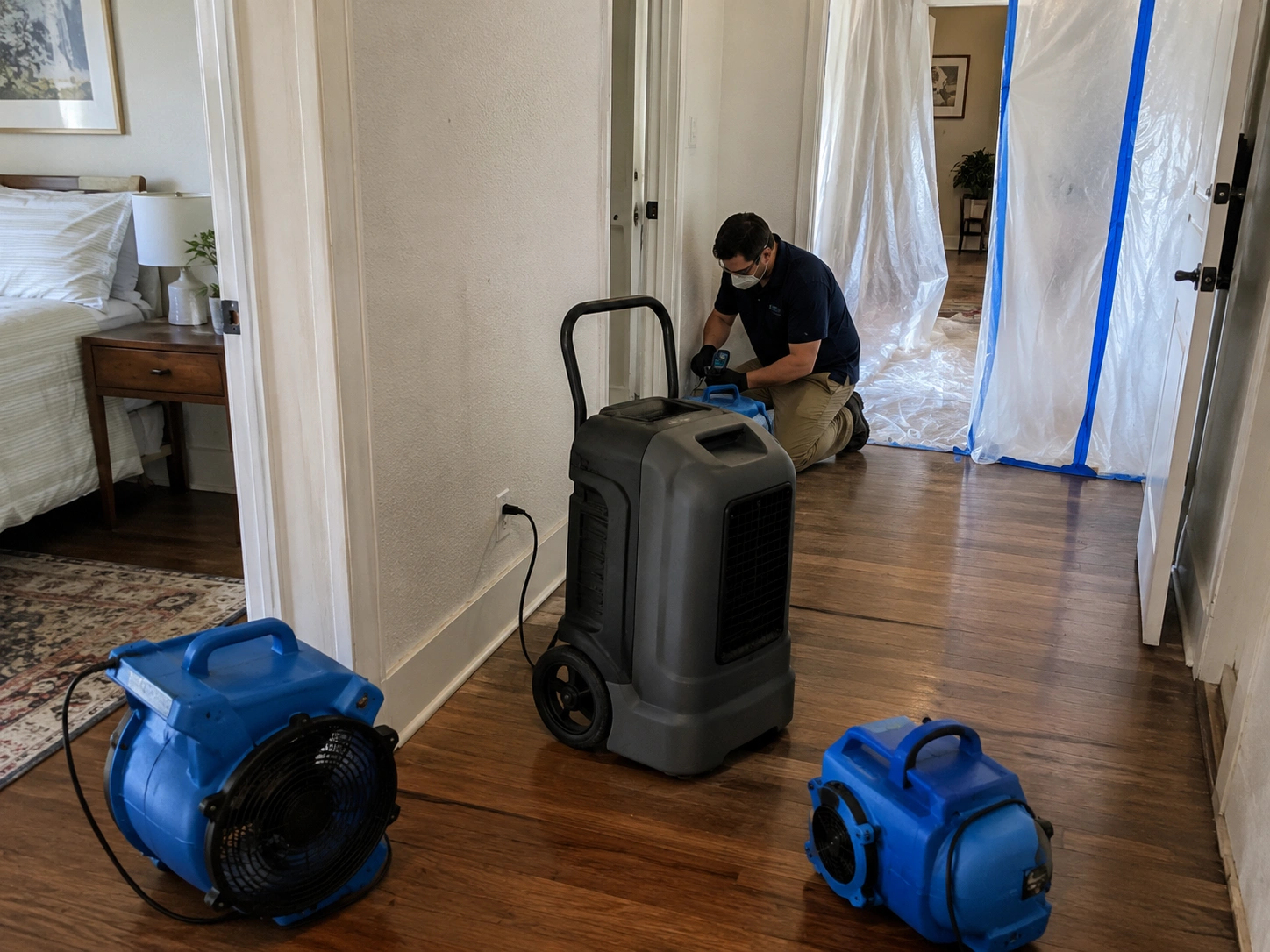
Visible condition review
Describe where staining, odor or growth is strongest and what changed after any known water event. That context shapes the service path.
Moisture source review
Knowing the likely source, whether a roof leak, plumbing failure or bathroom ventilation issue, helps decide whether cleanup alone is enough or whether drying comes first.
Containment and cleanup planning
Scope, materials and access points all affect how containment and removal are approached. The plan gets adjusted to fit the actual room conditions.
Drying and monitoring
Materials need to reach verified moisture levels before repair work starts. Skipping this step is the most common reason the same area needs attention a second time.
Hidden moisture and recurring mold
Why Mold Comes Back After Surface Cleanup
Surface cleaning removes visible growth but does not address moisture still present behind finishes, under flooring or inside wall cavities. If the source was not fully dried, conditions for regrowth remain.
In Santa Rosa homes, moisture tends to accumulate in crawlspaces, behind bathroom walls and inside cabinet backs after roof leaks, supply line failures or poor ventilation. A returning odor or re-appearing stain after repainting is often the first sign that drying was incomplete. Describing leak history and which rooms are affected helps narrow the service path and avoids unnecessary cleanup.
Call NowSigns that drying may be incomplete
- ✓Musty odor returns within days of surface cleaning
- ✓Paint bubbles or staining reappears near prior leak areas
- ✓Drywall feels soft or slightly spongy to the touch
- ✓Seasonal odor increases in enclosed or low-airflow rooms
Common call scenarios
What Homeowners Describe When They Call
The bathroom smelled musty for a few weeks after I noticed a slow drip under the vanity. I wiped down the visible spots but the odor never went away.
Under-sink moisture concern
We had a roof leak during a winter storm and the ceiling seemed to dry on its own. A few months later there was staining near the light fixture and an odor in that room.
Post-storm ceiling concern
The drywall near the laundry room felt slightly soft. I had fixed the supply line but was not sure if the wall had fully dried inside.
Laundry room wall moisture
Need Mold or Moisture Help in Santa Rosa?
Call to describe what you are seeing, talk through the likely scope and find out which service fits your home in Santa Rosa, CA.
Service areas
Where We Help in the Santa Rosa Area
Mold and moisture service coverage includes Santa Rosa and approved nearby Sonoma County communities. Call to confirm address-level availability for your specific location.
Santa Rosa Service Area Map
Select your city to view local mold and moisture service information and find the contact options that apply to your area.
Homeowner guidance
What Santa Rosa Homeowners Should Know About Mold and Moisture
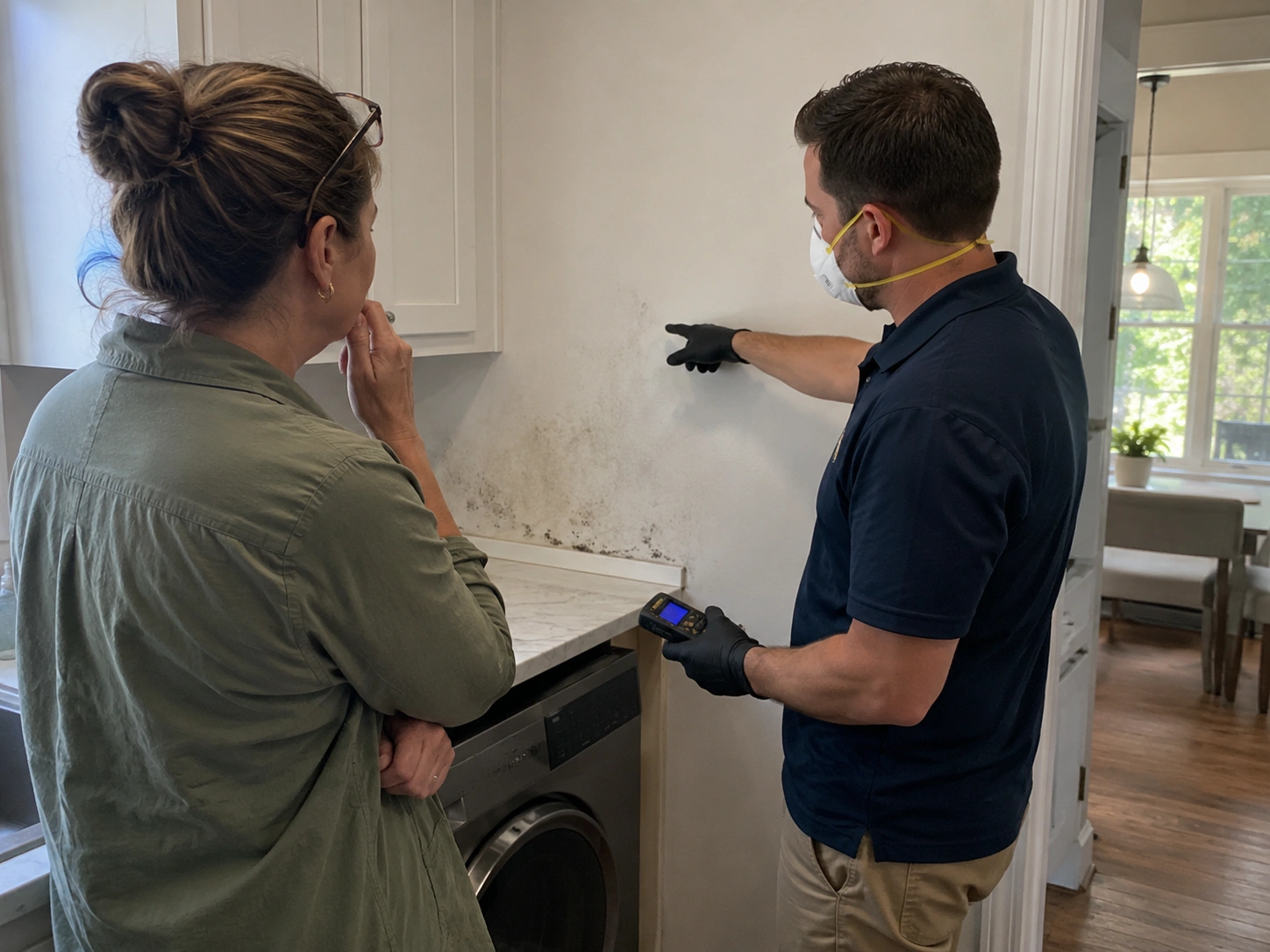
Most mold concerns start with something subtle, a recurring odor, a soft spot in drywall or staining that came back after you painted over it.
Santa Rosa homes hold moisture differently depending on age and construction type. Crawlspace homes, slab foundations and homes with older plumbing each have their own common leak patterns.
Hidden moisture is the main reason mold returns after surface cleanup. If the source was not fully dried, conditions for regrowth can persist behind the wall long after the surface looks fine.
Winter rain in Sonoma County increases the risk of roof leaks, crawlspace seepage and moisture intrusion in areas that may go unnoticed until spring odor or staining appears.
Insurance outcomes depend on your specific policy, the cause of the water event and how quickly you documented and reported the damage. Ask your carrier directly rather than assuming coverage.
The most useful thing to have ready before calling is a short timeline, a list of affected rooms and photos of visible signs. That context makes the first conversation more productive.
Common Questions From Santa Rosa Homeowners
What is the difference between mold removal and mold remediation?
Removal typically refers to cleaning or removing visibly affected materials. Remediation is broader and includes containment, addressing moisture sources, cleanup and drying steps to reduce the chance of the same problem coming back.
How much does mold removal cost in Santa Rosa?
Cost depends on how many rooms are affected, which materials need to be addressed and how long moisture was present. A call where you describe room conditions and leak history helps clarify scope before any numbers are discussed.
Does homeowners insurance cover mold removal?
Coverage depends on your specific policy, what caused the water intrusion and when damage was first noticed. Document the situation with photos and a written timeline, then contact your carrier directly to ask what your policy covers.
How quickly can mold grow after water damage?
Growth conditions can develop relatively quickly in wet materials, especially in enclosed spaces with limited airflow. Early drying and a moisture check after a water event significantly reduce the chance of this becoming a larger problem later.
What does hidden mold smell like?
Most homeowners describe it as a musty, earthy smell that is strongest in enclosed rooms, closets or areas near a past leak. The smell often returns quickly after the room is ventilated or cleaned.
Can mold grow behind walls or under flooring?
Yes. Wall cavities, subfloor layers and cabinet backs can hold moisture even when the surface feels dry. Homes with older plumbing or roof leaks that were not fully dried are particularly prone to this.
When should I call for emergency mold removal?
Call right away if water is still active, growth is spreading noticeably or a recent flood or leak created immediate odor across multiple rooms.
How long does mold remediation usually take?
Scope determines timeline. Small contained areas can be addressed quickly while projects involving multiple rooms, wall cavities or structural drying will take longer. A useful estimate starts with understanding which materials are involved.
Is mold testing always needed before cleanup?
Not always. Testing is most useful when the extent of growth is unclear, documentation is needed for insurance purposes or when post-cleanup confirmation is requested.
What happens during containment and cleanup?
Containment involves sealing off the affected area to limit the spread of material during removal. Cleanup then addresses damaged surfaces and materials based on what is found. Drying and monitoring follow to confirm the area is stable.
Can mold return if the moisture source is not addressed?
Yes. Surface cleanup without correcting the underlying moisture source typically means conditions for regrowth remain. Addressing both the visible material and the reason it got wet is the only reliable path forward.
What should I do before a mold inspection?
Take photos of visible signs, write down when you first noticed them and note any recent leaks or water events. Avoid cleaning or disturbing visible growth before the inspection so findings are accurate.
Local context
Mold and Moisture in Santa Rosa and Sonoma County Homes
Santa Rosa sits in a part of California where winter wet seasons and dry summers create predictable moisture cycles inside older and newer homes alike.
Roof leaks after heavy rain, bathroom condensation in poorly ventilated spaces and slow plumbing leaks in wall cavities are among the most common reasons homeowners call.
Some situations show odor first with no visible growth. Others show discoloration or trim damage before any smell is present. Both are worth investigating.
Service coverage includes Santa Rosa plus approved nearby Sonoma County communities. Each service area entry includes local context for common moisture patterns in each city.
Need Mold or Moisture Help in Santa Rosa?
Call to describe what you are seeing, talk through the likely scope and find out which service fits your home in Santa Rosa, CA.